What Is Japanese Acupuncture?
2026年2月6日
What Is Japanese Acupuncture?
The Philosophy of Eastern Medicine
Japanese acupuncture is a treatment method that uses very fine needles to gently stimulate muscles and acupuncture points (known as keiketsu) in order to help restore balance in the body. In Japan, acupuncture is not only provided at acupuncture clinics but is also commonly combined with manual therapy (such as massage) at osteopathic clinics, depending on the patient’s condition. From the perspective of Eastern medicine, the main goal is to improve overall balance and circulation throughout the body. At Miya Sports Acupuncture & Osteopathic Clinic, we also incorporate a Western medical approach, evaluating muscles, nerves, skin, specific body areas, and possible causes of pain. Based on this combined assessment, we select the most appropriate treatment. This complementary approach is one reason why Japanese acupuncture is often chosen by international visitors.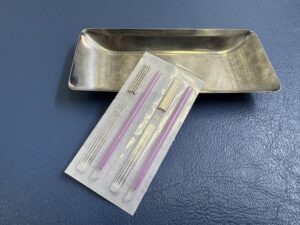
What Benefits Do Foreign Visitors Expect?
Relief for Neck, Shoulder, and Lower Back Pain
Acupuncture is not intended to “cure diseases,” but rather to help relieve pain, discomfort, and muscle tension. Common concerns during travel include:- Neck pain and shoulder stiffness caused by unfamiliar pillows or travel fatigue
- Lower back pain or discomfort in the hips and legs from long walks or prolonged sitting
- Muscle soreness and tightness after sports or marine activities
- General fatigue, poor sleep, or discomfort due to jet lag and environmental changes
- Cosmetic acupuncture for facial tension, swelling, or facial line care (upon request)
Treatment Flow at Miya Sports Clinic
From Reception to Aftercare
To ensure that first-time international patients feel comfortable, we keep the process simple and clear.- Reception & Consultation We ask about the affected area, when the symptoms started, movements that cause pain, and any relevant medical history.
- Assessment & Evaluation We assess not only the painful area (such as the neck or lower back) but also overall body balance, checking whether the issue is mainly muscular, nerve-related, or due to other factors.
- Treatment (Acupuncture + Manual Therapy) The depth and location of acupuncture needles are carefully adjusted (often just a few millimeters). Massage or other manual techniques may be combined if needed.
- Re-evaluation & Final Care We check changes in movement and pain, and may apply taping or recommend simple self-care if appropriate.
- Guidance & Next Steps We explain the treatment time, expected progress, and tips to help prevent recurrence.
Case Example
“I Woke Up With Neck Pain” – Visitor From Taiwan
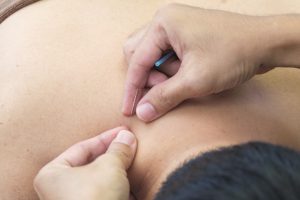
A recent patient was a tourist from Taiwan who experienced sudden neck pain after sleeping on a different pillow during their trip. Using a smartphone translation app, we confirmed the pain location, movement-related symptoms, and daily difficulties. The assessment showed significant tension in the neck muscles, with increased pain during movement. Treatment included:- Acupuncture tailored to the neck and shoulder condition
- Manual therapy to relax tight muscles
- Taping to reduce anxiety during movement
Does It Hurt? Are There Side Effects?
Safety and Peace of Mind
Many people worry, “Is it painful like an injection?” Acupuncture needles are much thinner than injection needles, and sensations vary by individual. Some people may feel a dull, heavy sensation known as “hibiki”, which is unique to acupuncture. If you are sensitive, we can easily adjust the stimulation. For safety, we strictly follow:- Use of single-use disposable needles and proper skin sterilization
- Needle depth, location, and quantity adjusted to your condition
- Clear explanation of possible minor side effects (such as small bruising or redness, which are rare)
Frequently Asked Questions
Reservation, Time, Clothing, Insurance
- Q1. How long does the treatment take?
- A. It depends on your condition. First-time visits may take slightly longer due to consultation and assessment.
- Q2. Is English or Chinese available?
- A. We use smartphone translation tools, images, and gestures to communicate as clearly as possible.
- Q3. What should I wear?
- A. Comfortable clothing is recommended. We will adjust as needed depending on the treatment area.
- Q4. Can I use Japanese health insurance?
- A. Insurance coverage depends on specific conditions. Most travelers receive treatment as private (self-pay). Details are explained at reception.
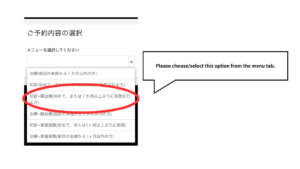
- Q5. Do I need a reservation? Can I come the same day?
- A. Reservations are preferred. Same-day appointments may be available—please contact us via web, LINE, or phone.
Simple Self-Care Tips During Travel
For Neck and Shoulder Stiffness
To maintain the benefits of treatment:- Roll a towel and place it under your neck to gently support its natural curve (avoid excessive height)
- Instead of forcefully rotating the neck, gently tilt it side to side within a pain-free range
- Squeeze your shoulder blades together to reduce shoulder tension
- If you tend to feel cold, warming the neck area can help relax muscles
Access & Reservation
Located in the Kumoji area of Naha City, our clinic is easy to visit between sightseeing or business appointments. Many visitors come on foot, and access is convenient. Pain and discomfort can worsen if ignored. If you would like to take care of your body during your trip, we recommend making a reservation early. If you have any pain, discomfort, or concerns, please feel free to contact us anytime.Reservations available via:
- WEB: https://airrsv.net/miya-sports/calendar
- Official LINE: https://lin.ee/ilQs2lA
- Phone: +81-98-987-6863
Clinic Information
Osteopathic & Acupuncture Clinic in Kumoji, Naha, Okinawa Miya Sports Acupuncture & Osteopathic Clinic 1-2-25 Kumoji, G7 Building 5-A, Naha City, Okinawa, JapanFollow us on Instagram
https://www.instagram.com/miya_spoご予約はこちら
ご予約は、WEB、LINE、お電話にて承っております。
受付時間内にお越しいただければ、診療させていただけます。
WEB予約で希望の時間が埋まっていても、
調整して予約をとれる場合もございます。
その際はLINEかお電話からお問い合わせお願いします。
電話で予約する098-987-6863
受付時間 10:00〜20:00
電話で予約する098-987-6863
受付時間 10:00〜20:00
SNSから最新情報をチェック!!


法人契約をご希望の方へ
宮スポーツ鍼灸整骨院では法人契約も行なっております。
企業様の福利厚生や健康推進にぜひお役立てください。


